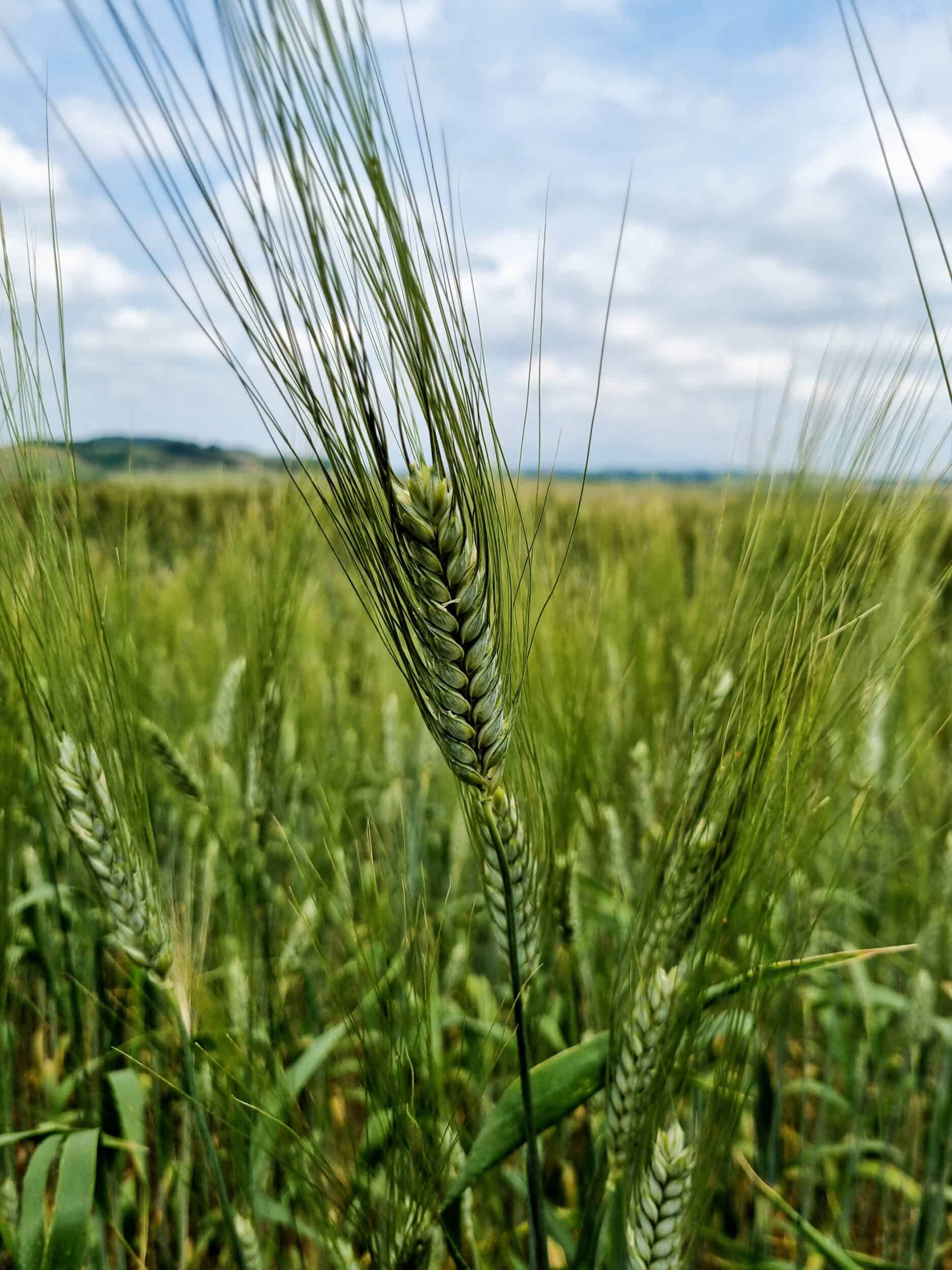
What would Italian cuisine, appreciated all over the world, be without soft wheat and durum wheat? Simple, it would remain a cuisine devoid of strong or weak flours, essential for the preparation of leavened products such as bread, pizza, pasta, and sweets. In summary, it would be a “catastrophe” for our dietary habits, given the importance we place on flour and its derivatives (without bread, pizza, etc.), but going into a bit more detail, what is the difference between soft wheat and hard wheat? In addition to a territorial distinction in the cultivation of the two types of wheat, with soft wheat mainly present in northern Italy and durum wheat in the central-south, there are other differences both in nutritional values and in their use. For example, flours obtained from soft wheat are excellent for preparing bread, pizza, fresh pasta, and egg pasta, while flours from durum wheat, also called strong flours, are ideal for the preparation of dry pasta or for baking with the right mix of soft wheat. Luciano, the owner of the Sorano Baths, is a pasta enthusiast. For this reason, in his restaurant inside the thermal complex, he perfectly balances the two types of wheat in the preparation of strictly handmade pasta, but he goes further, being a purist of quality he produces dry pasta made from Senatore Cappelli wheat grown in Tuscany. In recent years, there has indeed been a strong sensitivity towards the use of ancient grains in cooking, and in Italy, one of the most well-known and appreciated is the Senatore Cappelli durum wheat. It is a specific ancient grain (durum), so called because it is a variety from the past that has not undergone modifications over time and that takes its name from the senator who initiated the first agricultural modernization in Apulia at the end of the 19th century. Returning to Luciano’s operation, guided by the only guiding star that animates his work, namely quality, the idea is to offer within his facility high-quality raw materials but above all with a short supply chain, thus trying to “certify” every product brought to the table. For this reason, he has established a fruitful collaboration with an agricultural entrepreneur, an expert cereal grower active in the Pisa area, to cultivate this specific cultivar of durum wheat (Senatore Cappelli) on hilly terrain particularly suited for wheat.
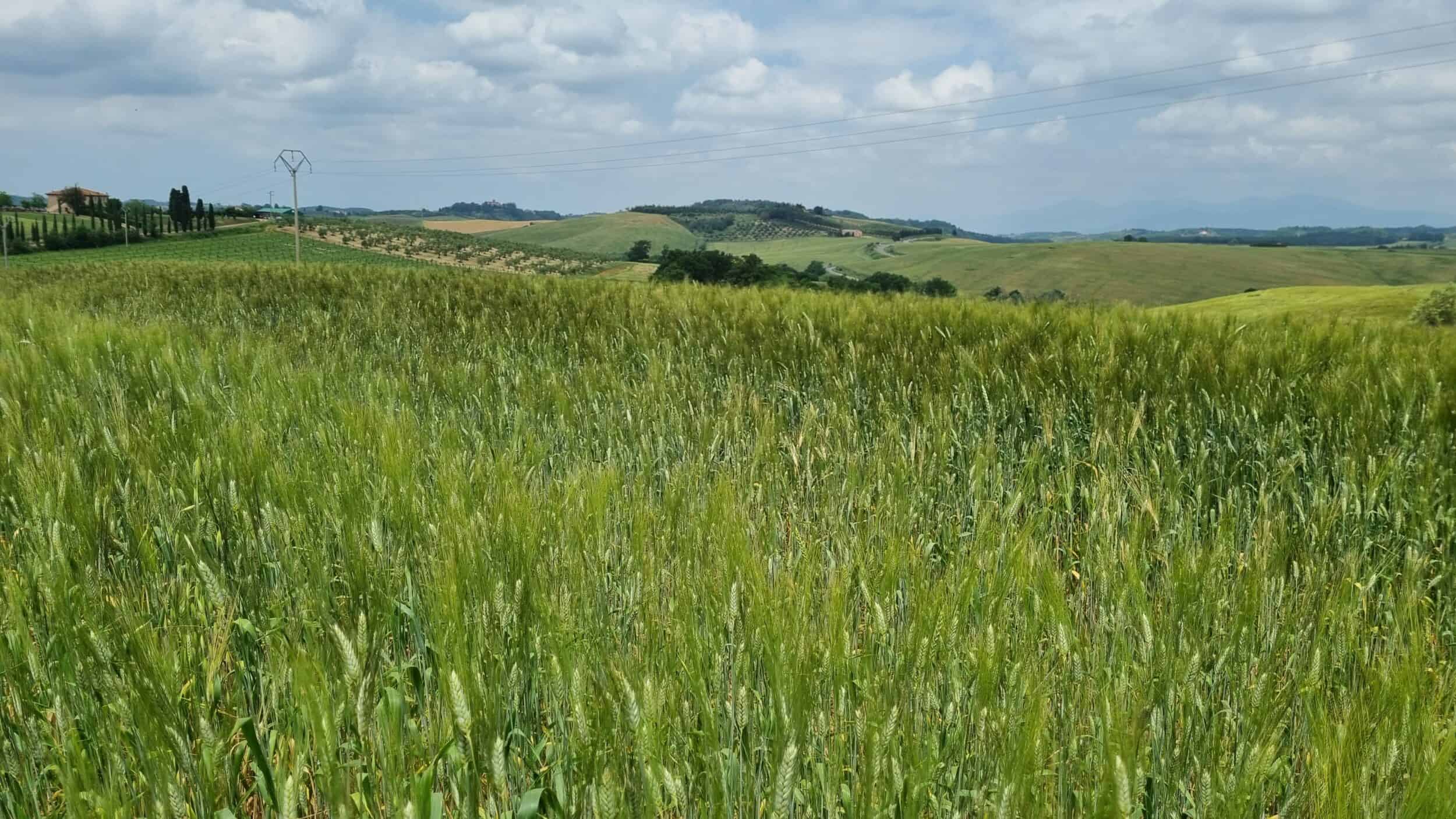
We are in the countryside near Pisa, close to the Val di Luce, where other excellent productions of Tuscan dry pasta can be found, and it is here that Paolo, an experienced agricultural entrepreneur, takes us through the fields of these ancient cultivars. Paolo is a son of art and in this area owns several hectares of land for various quality organic productions, among which the cultivation of ancient grains stands out. Here, in fact, both soft wheat of the Varna variety and the more well-known durum wheat Senatore Cappelli are cultivated, where they find a less humid clay soil due to the hillside position, which is also optimal due to the presence of few weeds. Luciano’s attention, however, is entirely focused on the durum wheat Senatore Cappelli, which Paolo cultivates on a plot of about 3 hectares, to supply the entire flour supply chain used by the Sorano Baths complex, ranging from pasta to sweets. The organic wheat harvested, Paolo explains, is then stone-milled (trusted mill) and bronze-drawn for a very high-quality production, at the expense of quantity, precisely because of the non-intensive cultivation regime adopted.
One of the first characteristics of the Senatore Cappelli cultivar that even the least experienced eye notices is the height of the plant, much taller than its soft wheat counterpart.
Paolo’s machinery park is the added value of his farm that allows him to personally follow the different processing steps of the wheat, from sowing to harvesting. This fruitful collaboration has allowed the Sorano Baths not to purchase pasta for the restaurant for several years, thus being able to meet the entire needs of the facility with very high-quality products and a short supply chain. We can affirm with certainty that the clients of the Sorano Baths find at their table organic products at Km 0, which guarantee high standards of quality for healthy meals and in harmony with the wellness climate that the facility wants to transmit not only with its spa services.